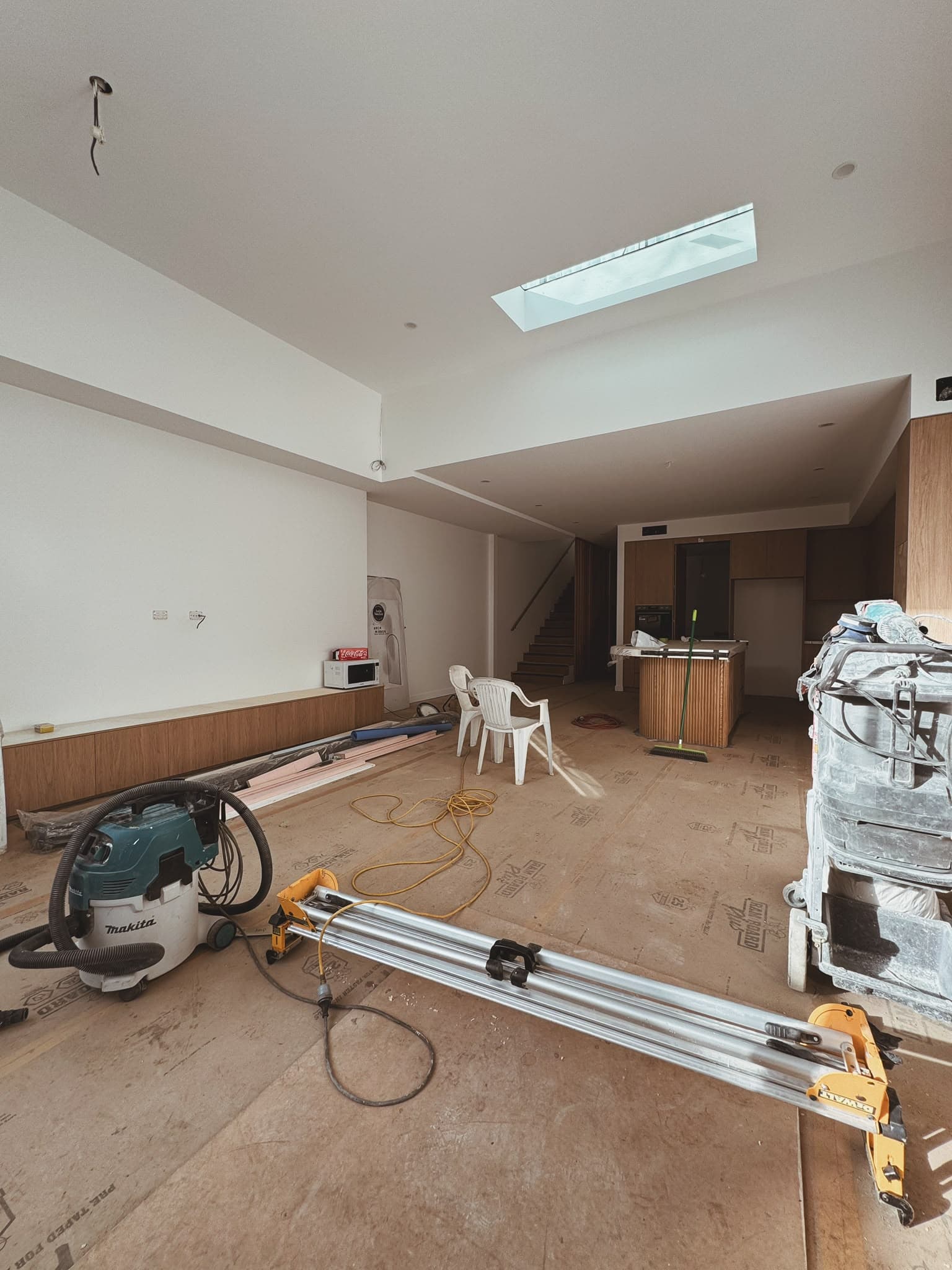
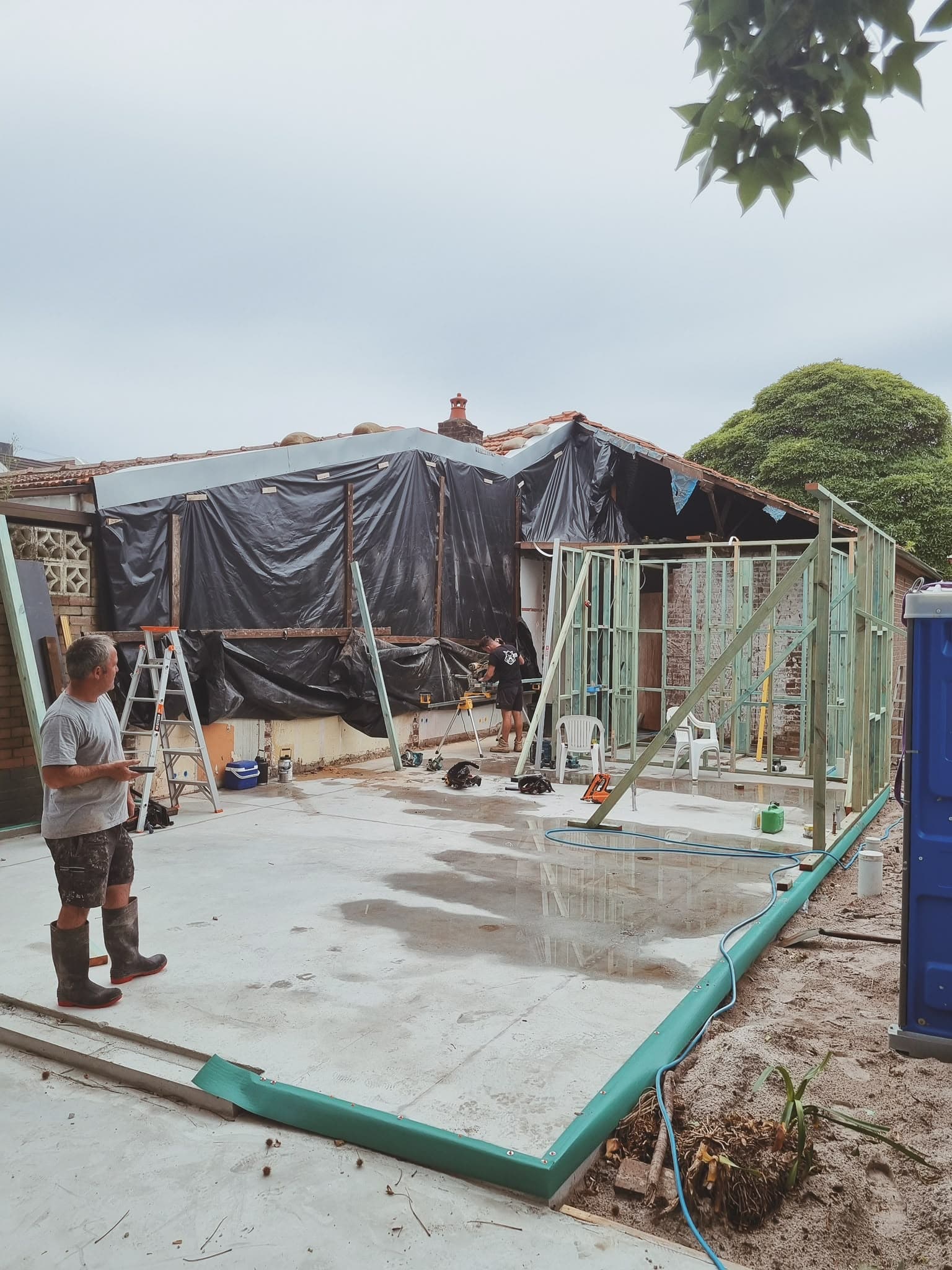
The pre-construction phase, the period between engaging a builder and commencing site works, is where most residential construction projects are won or lost. Significant problems that derail programmes, inflate budgets and create conflict between clients and builders are, in the vast majority of cases, solvable before a shovel goes in the ground. They are not solvable at half-past three on a Thursday when the formwork is in place and the concrete is on order.
Here is what a rigorous pre-construction process covers, and why the time invested before site works begins pays dividends throughout the build.
Design documentation review
The first task in pre-construction is a thorough review of the design documentation, architectural drawings, engineering drawings, specifications, council approval conditions and any other contract documents. The goal is not to find errors for the sake of finding errors. It is to identify every element that requires further information, clarification or decision before work can proceed.
In practice, this means checking every junction detail for completeness, every material specification for availability and lead time, every structural element for its interface with adjacent elements, and every approval condition for its implications on the construction methodology.
The output is a comprehensive RFI register, a list of questions that need to be answered before work proceeds. A well-run pre-construction generates a long list early and a short list on site. A poorly run pre-construction generates the reverse.
Budget alignment
Pre-construction is when the project budget is truly tested. A detailed, itemised estimate, with a clear basis for every line, is developed against the actual design documents. This process reveals whether the design as drawn is achievable within the client's budget, and if not, where the adjustments need to be made.
It is far better to have this conversation before the contract is signed than after it. If the documented scope exceeds the budget, the pre-construction phase is the moment to revisit material specifications, structural approaches, or programme sequencing to close the gap, with the full involvement of the design team and the client. After the contract is signed, the same conversation happens under pressure and in conflict.
Programme planning
A realistic construction programme, not an optimistic one, is developed in pre-construction. This includes lead times for all long-lead materials, trade sequencing, council inspection holds, expected weather impacts, and the milestones at which the client needs to make decisions (final selections, variations, additions to scope).
A programme that is optimistic at contract stage will be missed. A programme that is realistic from the start can be managed. The client who knows what to expect, and when, is better placed to plan their own life around the build, and less likely to be surprised by news that could have been anticipated.
Trade engagement
The quality of the subcontractors on a project is determined well before site works begin. In pre-construction, the builder is engaging trades, confirming availability, providing them with early information to facilitate their own pre-construction planning, and locking in the people whose work will determine the standard of the finished project.
A builder with strong, stable subcontractor relationships built over years of professional work can secure the right trades at the right time. A builder who has treated subcontractors poorly, slow payment, poor documentation, adversarial site management, will find the best trades unavailable. Their absence is rarely visible in a contract but always visible in the finished building.
What pre-construction saves
The investment of time and rigour in pre-construction is not a cost. It is an insurance premium that delivers a return. Projects with thorough pre-construction phase work typically run closer to their original programme, closer to their original budget, and with less conflict, because the decisions that create variation claims and programme delays have already been made, under less pressure, with full information.
The time to resolve a structural interface query is in pre-construction, when the answer shapes the approach. Not on site, when the answer shapes the claim.